A business can have a ramp, an accessible toilet and the best intentions in the world—and still be turning disabled customers away.
I know because I have been that customer.
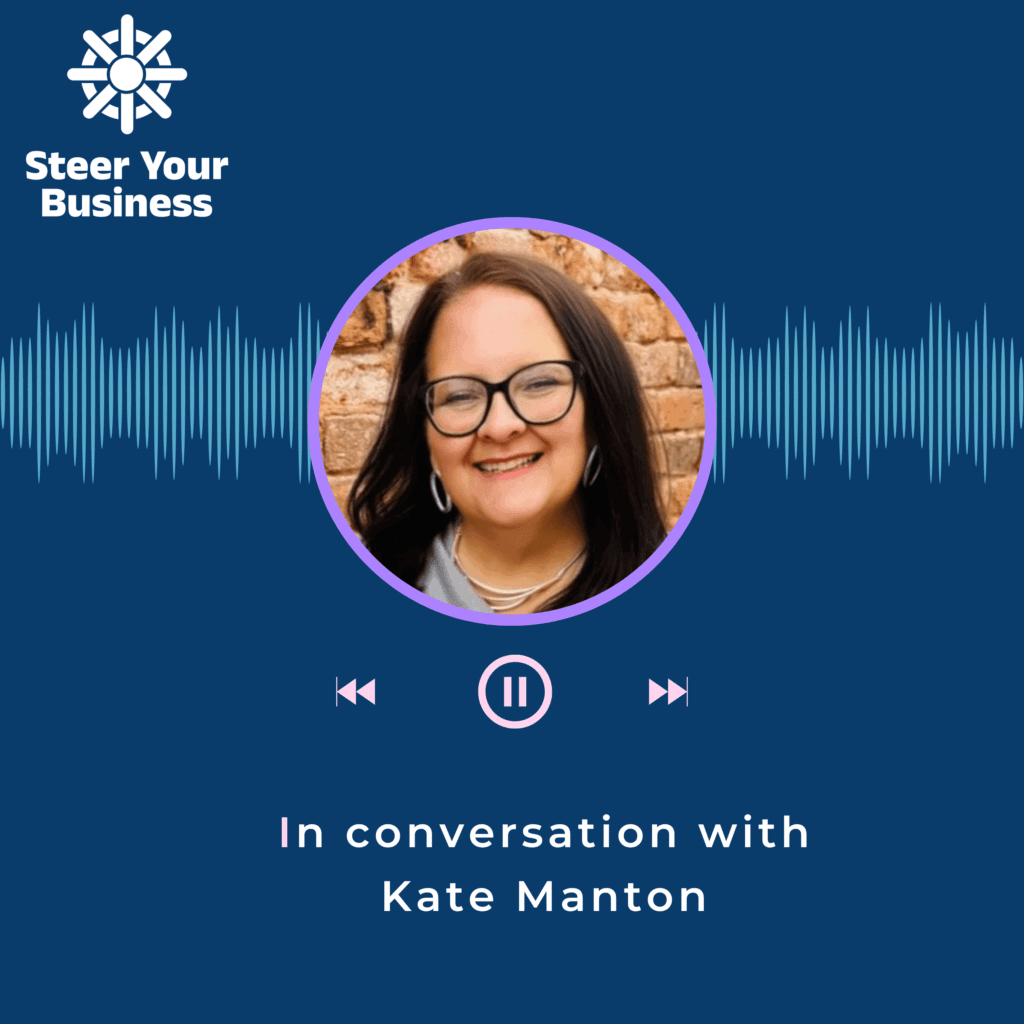
As a powered wheelchair user following two strokes, I notice what many business owners do not: the unreachable bell, heavy door, unsuitable table or “accessible” toilet that is accessible in name only.
These are rarely signs of a business that does not care. Usually, nobody with relevant lived experience has shown its owners the barriers they cannot see.
That is why I created Go Beyond Access.
Before becoming disabled, I worked in surgery and anaesthetics, managed a nightclub and ran a cleaning business. I understand customer service and commercial pressures. I also know how poor access limits independence, dignity and participation.
Go Beyond Access helps public-facing organisations and workplaces nationwide become more inclusive through practical accessibility audits, consultancy, disability awareness training and our own lived-experience accreditation.
My audits follow the customer journey, from arrival and entrance to reception, layout, lighting, signage, communication, toilets and emergency procedures. They consider physical and neurological disabilities, blind and partially sighted people, Deaf and hard-of-hearing people, and sensory or SEND needs.
I recognise what is working, uncover overlooked barriers and recommend realistic improvements by priority, budget and impact. These can often be simple: moving furniture, lowering a bell, improving colour contrast, adding tactile signage, installing a hearing loop, changing staff procedures or replacing an unusable pedal bin.
The legal picture has also moved on. On 5 August 2026, an updated statutory Equality Act 2010 Code of Practice came into force for services, public functions and associations. It specifically identifies regular accessibility reviews, access audits and staff training as actions that can help service providers meet their obligations. Employers also continue to have duties towards disabled workers, including making reasonable adjustments. Accessibility is therefore something every responsible business and workplace should be actively examining.
It is also good business. Disabled customers visit with partners, families, friends, carers and colleagues. Make one person feel excluded and the whole group may leave. Make them feel genuinely considered and you can earn something no advertising campaign can manufacture: trust, loyalty and enthusiastic recommendations.
Our accreditation assesses progress across four areas: physical access; blind and partially sighted access; Deaf and hard-of-hearing access; and SEND and sensory inclusion. It is not an empty badge or a claim of perfection. It gives organisations a credible pathway for improvement and helps customers see where their needs have genuinely been considered.
My ambition is bold but simple: I want accessibility to become normal, not exceptional.
You do not always need to knock down walls or spend a fortune to make a meaningful difference. You do need to listen, look at your business through another person’s experience and be willing to act.
So, ask yourself: is your business truly accessible, or have you simply never been shown the barriers?
If you are not completely sure, that is precisely where Go Beyond Access can help.